📢 Join Our WhatsApp Channel
Get exam alerts, answer keys & study updates instantly.
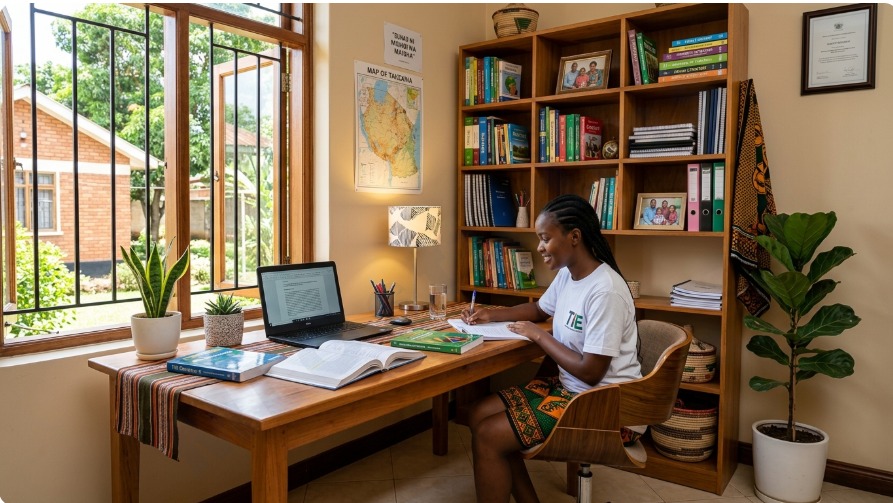
Create a Productive Study Space
Why Your Study Environment Matters
Your study environment significantly affects your ability to focus, concentrate, and learn effectively. A well-designed study space can increase your productivity by up to 30%, while a poor environment can make even the most dedicated student struggle to make progress.
Your brain forms associations with your environment. When you consistently study in the same space, your brain learns to associate that space with focused work. This makes it easier to get into a productive mindset as soon as you sit down. Conversely, studying in a space associated with relaxation or entertainment can make it harder to concentrate.
For Tanzanian secondary school students, creating a productive study space is especially important because:
- Many students study at home with limited space
- The home environment can be distracting
- A dedicated study space improves focus
- Good organization saves time and reduces stress
- A comfortable space makes studying more enjoyable
Elements of a Good Study Space
Lighting: Good natural or bright artificial light reduces eye strain and keeps you alert. Natural light is best. If using artificial light, choose a bright lamp with cool-toned light.
Quiet: Minimize noise and distractions to maintain focus. If you can't find a quiet space, use noise-canceling headphones or play white noise.
Comfortable: A suitable chair and desk at the right height prevents physical discomfort. Sit with your back supported and feet flat on the floor.
Organized: All study materials easily accessible without clutter. An organized space promotes organized thinking.
Personal: Make it your own with inspiring elements that motivate you. Personal touches make your study space more inviting.
Temperature: A comfortable temperature prevents distraction. Not too hot, not too cold.
Air quality: Good ventilation keeps you alert. Open windows when possible.
How to Create Your Ideal Study Space
Choose the right location:
- A quiet corner of your home
- A library or study room
- A dedicated study area at home
- Anywhere you can focus without interruption
Optimize lighting:
- Position your desk near a window for natural light
- Use a good desk lamp for evening studying
- Avoid glare on your screens or books
Keep it clean:
- Remove clutter from your desk
- Only keep necessary items on your desk
- Organize your materials
- Tidy up at the end of each study session
Control temperature:
- Dress appropriately for the temperature
- Use a fan or heater if needed
- Ensure good ventilation
Add inspiration:
- Include motivational quotes
- Use a vision board
- Add plants
- Use colors that inspire you
- Display your goals
Minimize distractions:
- Turn off your phone or use airplane mode
- Use website blockers on your computer
- Let family know your study times
- Remove unnecessary items from your space
Study Space Essentials Checklist
Desk: A sturdy desk at the right height for writing.
Chair: A comfortable chair with back support.
Lighting: Good lighting (natural or desk lamp).
Storage: Space for books, notebooks, and supplies.
Supplies: Pens, pencils, paper, calculator, ruler, etc.
Minimal distractions: No phone, TV, or unnecessary items.
Ventilation: Fresh air and comfortable temperature.
Organization: All materials in their place.
Inspiration: Motivational items or quotes.
Setting Up Your Study Space on a Budget
You don't need expensive furniture to have a productive study space. Here are some budget-friendly tips:
Desk: Use a sturdy table or even a cleared desk.
Chair: Use a comfortable dining chair with a cushion.
Lighting: Use a desk lamp or position near a window.
Storage: Use boxes or containers to organize supplies.
Organization: Use folders or dividers for notes.
Inspiration: Print free motivational quotes online.
Tips for Organizing Your Study Materials
Use folders: Organize notes by subject. Color-code for easy identification.
Use binders: Keep notes organized in binders with dividers. This makes finding notes easy.
Use a filing system: File past papers and important documents. Keep them sorted by subject and date.
Use containers: Use boxes or containers to store supplies. Keep pens, pencils, calculators, and rulers in containers.
Use a whiteboard: Use a small whiteboard for planning and brainstorming. This helps visualize tasks and ideas.
Use a calendar: Keep a calendar for deadlines and appointments. This helps you stay organized and on track.
Maintaining Your Study Space
Tidy up daily: Spend 5 minutes at the end of each study session tidying up. This keeps your space organized and ready for the next session.
Reorganize weekly: Once a week, take some time to reorganize your study space. Remove any clutter that has accumulated.
Update your inspiration: Keep your motivational elements fresh and updated. New quotes or pictures can refresh your motivation.
Check your supplies: Regularly check your supplies and replenish what's needed. This prevents interruptions during study sessions.
Common Mistakes to Avoid
Studying in a place of relaxation: Studying in bed or on the sofa associates the space with relaxation, not learning. Separate study space from relaxation space.
Cluttered space: Clutter is distracting and makes studying harder. Keep your space organized.
Poor lighting: Dim light strains your eyes and makes studying difficult. Ensure good lighting.
Uncomfortable seating: Discomfort is distracting and prevents concentration. Ensure comfortable seating.
Distractions: Noise and interruptions break concentration. Minimize distractions.
Not having materials: Running out of supplies interrupts study sessions. Keep supplies stocked.
💡 Pro Tip: Keep your study space clean and organized at all times. A cluttered space leads to a cluttered mind. Spend 5 minutes at the end of each study session tidying up—this preparation for your next session makes it easier to get started and stay focused. Also, try to keep your study space separate from your relaxation space to help your brain associate the space with focused work.
Remember: Your study environment directly impacts your ability to learn. Invest time in creating a productive study space—it's one of the best investments you can make in your academic success.